
High pressure sensor, M7 x 0,75, for measurements in gas and hydraulic systems, pressure range 0 … 500 bar, cable length 2 m / 4065B0500DS1-2,0
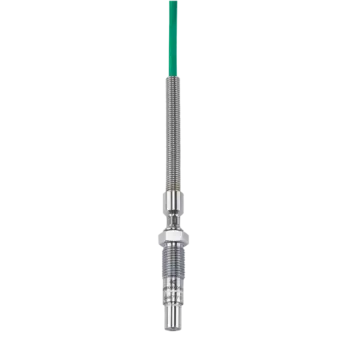
4065B0500DS1-2,0
18026836
- Compact high pressure sensor with robust diaphragm
- For measuring static and dynamic pressure in hydraulic systems
- Minimal sensor dead volume, therefore high acoustic natural frequency
- High mechanical natural frequency
Upon request
On request
Log in to myKistler to see prices
Measuring ranges
Maximum measuring range [bar]
500 barMaximum pressure value you want to measure.
In the pressure sensor Type 4065B, the pressure acts through a robust diaphragm onto a piezoresistive measuring element. The compact dimensions and the shoulder sealing of the pressure sensor provide ideal access to the measuring point. Only a minimal dead volume is created between the sensor front and the measured medium. The sensor is therefore suitable for applications with a high requirement for frequency-accurate pressure measurements. Zero point and sensitivity shift caused by temperature changes are corrected through the use of a digital temperature compensation without impairing the signal bandwidth. In addition, the digital temperature compensation provides a monitoring of the sensor temperature (with amplifiers of Types 4665B and 4624A).
Loading
Loading